Trickle Charger vs Regular Charger: What’s the Real Difference?
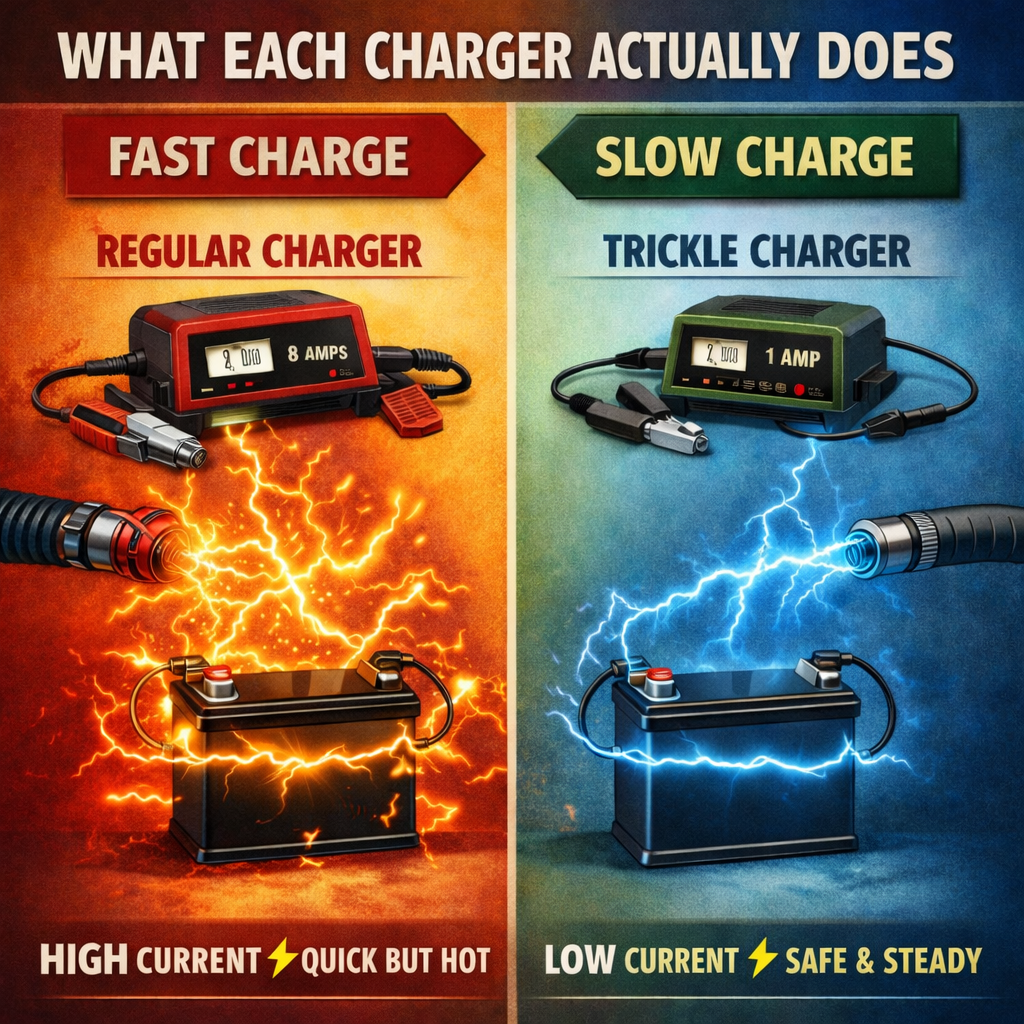
What Each Charger Actually Does
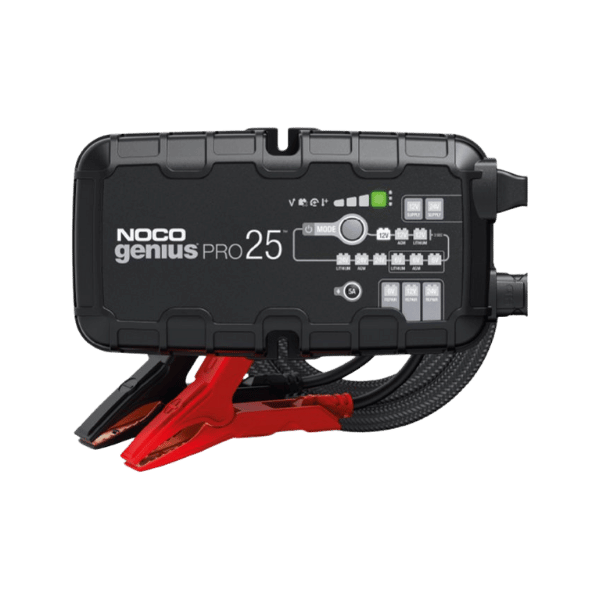
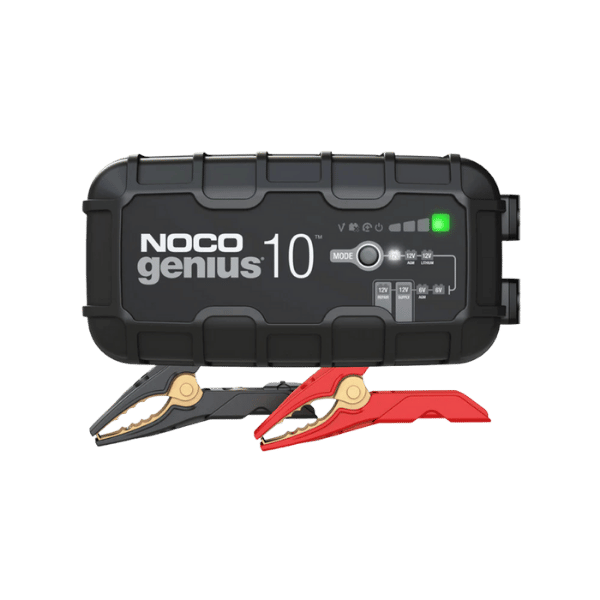
A regular charger pushes a relatively high current (typically 2–10 amps) into a battery until it's full — fast and straightforward. A trickle charger delivers a slow, steady stream (usually 0.5–2 amps), designed not to revive a dead battery quickly, but to maintain charge over time and prevent self-discharge during storage.
Speed vs. Longevity
Fast charging gets the job done in a few hours, but generates heat — and heat degrades battery life over time. Trickle charging is far gentler and, for long-term battery health, slow and steady genuinely does win the race.
Want to keep and eye on how your battery is charging? Have a look at our bluetooth range.
Smart Chargers: The Best of Both Worlds
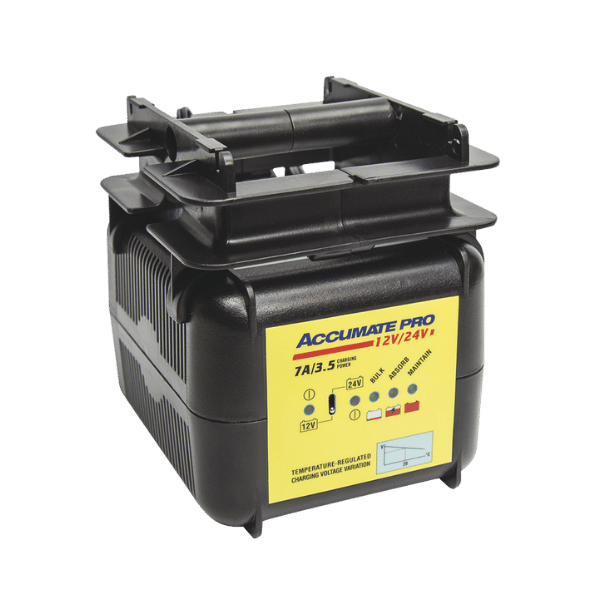
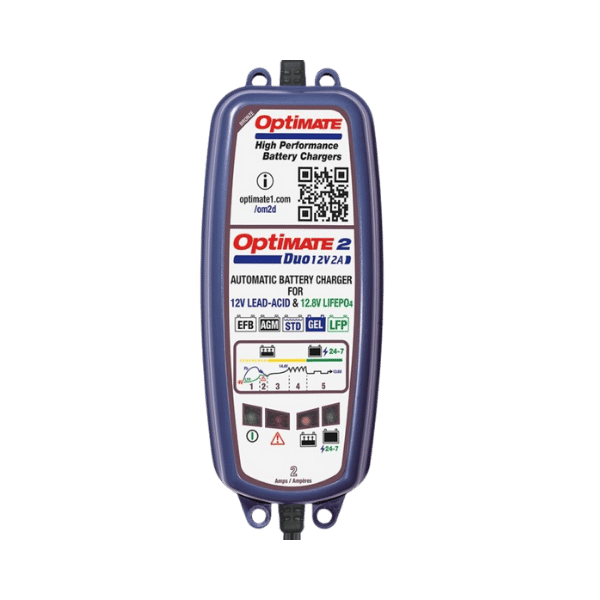
Modern smart chargers blur the line considerably. They start with higher amperage to charge quickly, then taper to a float charge as the battery fills. A float charger holds the battery at a constant voltage rather than pushing current continuously, preventing the overcharging that can damage traditional lead-acid batteries. A basic trickle charger without monitoring can theoretically overcharge if left connected indefinitely — which is why smart/automatic models are the better choice for storage use.
When to Use Each
Use a regular charger when:
- Your battery is significantly discharged and you need it back quickly
- You're doing a recovery charge before a trip
- You're diagnosing whether a battery still holds charge
Use a trickle charger when:
- Storing a seasonal vehicle (motorcycle, boat, classic car) for weeks or months
- Maintaining a battery in a rarely-driven vehicle
- Getting through winter in a cold climate where batteries drain faster
Practical Buying Advice
- General home use: A smart 4–8 amp automatic charger is the most versatile option — fast enough to be practical, but tapers to a maintenance float when done.
- Long-term storage: A dedicated smart maintainer in the 0.8–1.5 amp range is ideal. Brands like CTEK, Optimate, and RA are well regarded.
Need a golf cart charger? Look no further!
Have you every considered upgrading to a lithium option for you application? Let's go!
The Bottom Line
A regular charger is your fast-response tool; a trickle charger is your long-game tool. For most owners, a smart automatic charger that handles both duties is the best single investment. Either way, the worst option is doing nothing — letting a battery slowly discharge month after month is one of the most reliable ways to kill it early.