Grid-Tie, Hybrid, or Off-Grid Solar: Choosing the RIGHT System
Solar power is no longer just an eco-friendly dream, it’s a practical, cost-saving necessity for many homes and businesses. With load-shedding/ Load reduction a constant challenge and electricity costs soaring, going solar makes perfect sense.
But here’s the catch: Not all solar systems are the same.
Choosing between Grid-Tie, Hybrid, or Off-Grid is a critical decision. Get it wrong, and you could face unexpected costs, unreliable power, or even system failure.
Let’s break down the differences and help you find the perfect solar solution for YOUR needs.
1. Grid-Tie Solar (On-Grid)
How it Works:
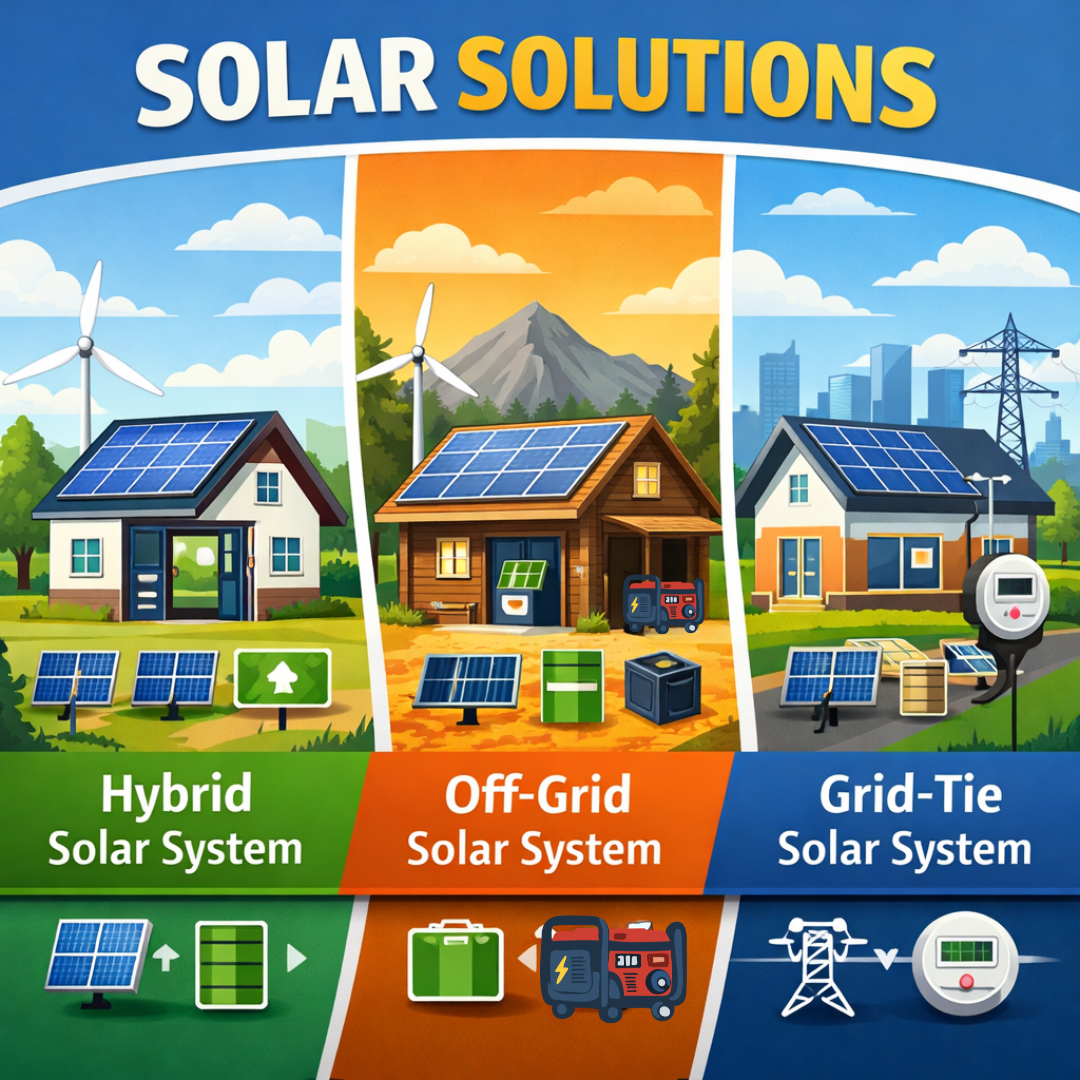
Your solar panels generate electricity. Any power you don’t use immediately is fed back into the municipal grid (ESKOM, City Power, etc.). In return, you receive bill credits (via a system called "net metering"). You remain fully connected to the grid and use grid power when your panels aren’t producing enough (night, cloudy days, high usage).
Key Components:
- Solar Panels
- Grid-Tie Inverter
- Bi-Directional Meter - installed by municipality
Pros:
Lowest Upfront Cost (No batteries needed!)
Simplest Installation
Maximize Savings via bill credits (especially if you use little power during peak sun hours).
No Maintenance for batteries.
Cons:
No Power During Load-Shedding - Your system shuts down for safety when the grid fails.
Reliant on the Grid – If the grid goes down, your solar goes down too.
Credits Depend on Municipality – Net metering rules vary and can change.
Best For:
- Homes/businesses in areas with very reliable grid power (minimal load-shedding).
- Users who want maximum financial return and can shift usage to daytime (e.g., run geysers/washing during the day).
- Those on a tight budget wanting the fastest ROI.
2. Hybrid Solar
How it Works:
This is the most popular and flexible option in South Africa. Your solar panels generate power. Excess power is stored in batteries for use later (evening, night, or during load-shedding). You remain connected to the grid.
- Solar Power Available: Use solar directly.
- Solar + Battery Available: Use stored solar power.
- Grid Available: Use grid power (or feed excess back to grid if supported).
Key Components:
- Solar Panels
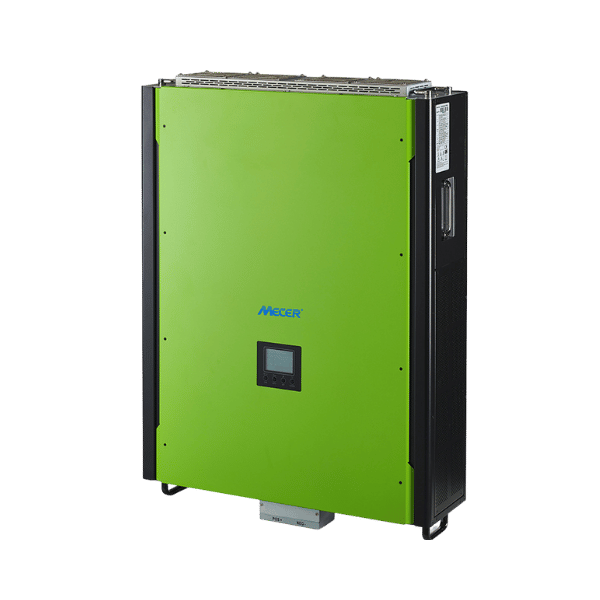
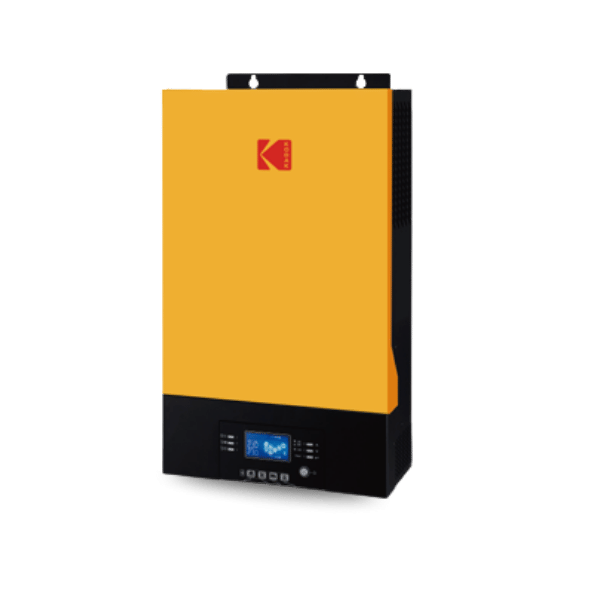
- Hybrid Inverter - The brain that manages panels, batteries & grid
- Battery Storage - Lithium-ion is most common & recommended
Pros:
Uninterrupted Power! Batteries keep you running during load-shedding.
Maximize Self-Consumption: Store all your excess solar, reducing reliance on the grid and maximizing savings.
Flexibility: Use solar, battery, or grid seamlessly.
Energy Independence: Significantly reduce your monthly ESKOM bill.
Backup Power: Essential for security systems, lights, fridge, etc. during outages.
Cons:
Higher Upfront Cost - Significant cost of batteries & hybrid inverter.
More Complex Installation & Setup.
Battery Maintenance & Replacement - Batteries last 5-15 years.
Best For:
- Most South African homes & businesses, especially those experiencing regular load-shedding.
- Users wanting energy independence and backup power.
- Those wanting to maximise solar usage and minimise grid draw 24/7.
- Homes needing power for critical loads during outages (security, lights, comms, fridge).
3. Off-Grid Solar
How it Works:
Your solar system is completely independent of the municipal grid. Your panels generate power, which is stored in large batteries. You only use the power you generate and store. No connection to ESKOM or any grid.
Key Components:
- Solar Panels
- Off-Grid Inverter - Specifically designed for standalone use
- Large Battery Bank - Significant capacity needed
- Often a Backup Generator - For extended cloudy periods or high demand
Pros:
Complete Energy Independence! No grid, no bills, no load-shedding worries.
Ideal for Remote Locations: Farms, smallholdings, cabins, or homes far from grid connection.
No Reliance on Municipality: You are your own power utility.
Cons:
Highest Upfront Cost - Large battery bank + off-grid inverter is expensive.
Complex & Critical Sizing: Must be perfectly designed to meet all your energy needs, every day of the year (including cloudy/rainy days). Undersizing is a major risk.
Significant Maintenance: Batteries require careful monitoring and will need replacing.
Limited Expansion: Adding loads can be complex and costly.
No Grid Backup: If your system can’t meet demand (e.g., multiple high-watt appliances running simultaneously), you have no backup (unless you have a generator).
Best For:
- Remote Properties far from the grid (where grid connection is prohibitively expensive or impossible).
- Small, Low-Energy Cabins or Shacks.
- Users seeking absolute independence and willing to invest heavily and manage the system meticulously.
- Not generally recommended for standard urban/suburban homes due to high cost and complexity.
Why Choosing the Right System Matters (A Lot!)
Choosing incorrectly can lead to:
- Wasted Money:
- Installing an expensive off-grid system when a hybrid would be perfect.
- Buying a grid-tie system and still facing load-shedding blackouts.
- Unreliable Power:
- An undersized off-grid system leaving you without power for days.
- A grid-tie system giving you zero power during outages.
- Inadequate Backup:
- A hybrid system with too little battery capacity leaving you vulnerable during long outages or high usage.
- Safety Issues:
- Poorly designed off-grid or hybrid systems can pose electrical risks.
The Bottom Line:
There is NO "best" system. The best system is the one tailored to YOUR:
- Energy Consumption - How many kWh do you use daily?
- Location - How much sun do you get? How reliable is your grid?
- Budget - Upfront cost vs long-term savings
- Backup Needs - How critical is uninterrupted power? What loads must stay on during outages?
- Future Plans - Adding an electric vehicle, geyser, or pool pump?
Choosing the right solar path is crucial. Don’t guess!
Get a Professional Solar Assessment: A qualified South African solar installer will:
- Analyse your electricity usage (from your bills).
- Assess your roof space & sun exposure.
- Understand your backup power requirements.
- Discuss budget and goals.
- Design a system (Grid-Tie, Hybrid, or Off-Grid) perfectly suited to YOU.
Ready to harness the sun the right way?
Contact MAL Distributors today for a personalised solar solution and discover the best for your home or business!