Why AC and DC Protection is Critical for Your Backup Power and Solar Systems?
Without adequate electrical protection, your expensive solar system or backup power installation is vulnerable to catastrophic failures, fires, equipment damage, and even personal injury. Understanding why both AC and DC protection matter - and how they differ - could save you thousands in damage, prevent dangerous situations, and ensure your system operates safely for years to come.
When investing in a backup power system or solar installation, most people focus on batteries, inverters, and solar panels. But there's a critical component that often gets overlooked until disaster strikes: proper AC (Alternating Current) and DC (Direct Current) protection.
Let's explore why electrical protection is not optional, what can go wrong without it, and how to protect your investment properly.
What is AC and DC Protection?
AC protection safeguards the alternating current portions of your system - everything connected to grid power or AC output from your inverter. This includes standard circuit breakers, earth leakage protection, and surge protection for AC circuits.
DC protection safeguards the direct current portions - solar panels, battery banks, charge controllers, and DC wiring. DC protection requires specialized equipment because direct current behaves fundamentally differently than alternating current and presents unique hazards.
Why you need both: A complete solar or backup power system has both AC and DC circuits. Standard AC protection (like your home's distribution board) does NOT protect DC circuits, and DC protection devices won't work on AC circuits. You need purpose-designed protection for each type of current.
The Critical Difference Between AC and DC Protection
Understanding why DC protection is different from AC protection is essential to appreciating why you need both.
How AC and DC Current Differ
Alternating Current (AC):
- Changes direction 50-60 times per second (50/60 Hz)
- Voltage crosses zero 100-120 times per second
- Arc faults naturally extinguish when voltage crosses zero
- Standard breakers work by interrupting current at zero-crossing point
- This is the electricity from your wall socket and Eskom grid
Direct Current (DC):
- Flows continuously in one direction
- Voltage never crosses zero
- Arc faults don't self-extinguish and can sustain indefinitely
- Arcs are much hotter and more dangerous than AC arcs
- Requires specialized breaking technology
- This is electricity from solar panels and batteries
Why DC is More Dangerous
DC arcs are 3-10 times harder to extinguish than AC arcs. Here's why:
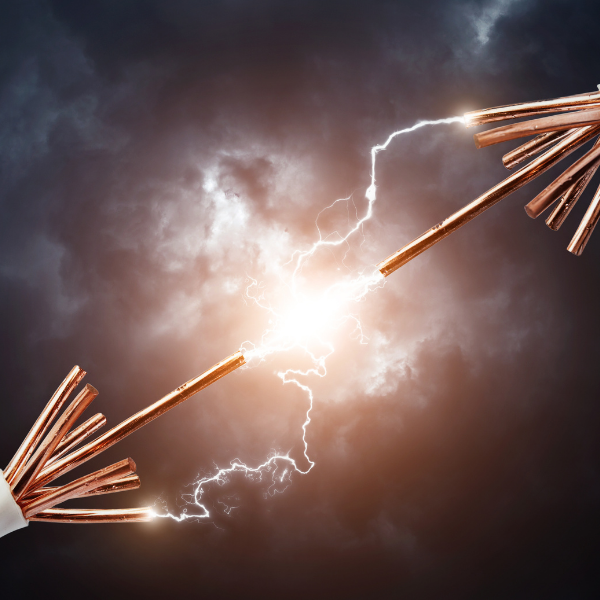
The Zero-Crossing Problem: When AC current crosses zero voltage 100+ times per second, arcs naturally extinguish momentarily. This gives circuit breakers a chance to interrupt the circuit. DC never crosses zero, so once an arc starts, it sustains itself and can even grow.
Temperature Differences:
- AC arcs: typically 6,000-10,000°C
- DC arcs: can reach 20,000°C+ (hotter than the sun's surface!)
Arc Persistence: An AC arc might last milliseconds before a breaker interrupts it. A DC arc can continue indefinitely if not properly interrupted, melting metal, igniting materials, and causing fires.
Real-World Impact: A loose connection or damaged wire in a DC circuit can create a sustained arc that:
- Melts copper conductors
- Ignites insulation and surrounding materials
- Starts electrical fires
- Cannot be stopped by standard AC breakers
- May continue even if you try to disconnect
This is why DC protection is not optional - it's essential for safety.
What Can Go Wrong Without Proper Protection
Let's look at real scenarios that happen when AC and DC protection is inadequate or absent:
Scenario 1: The Devastating DC Arc Fault
What Could Happened: A homeowner's solar system has a loose connection in the DC wiring between panels and charge controller. Over time, vibration and thermal cycling causes the connection to degrade further.
The Failure:
- Loose connection created resistance
- Resistance generated heat
- Heat caused arcing
- Arc sustained because no DC arc fault protection existed
- Arc temperature exceeded 15,000°C
- Insulation ignited
What Can Prevent It:
- Proper DC arc fault detection (AFCI - Arc Fault Circuit Interrupter)
- DC-rated circuit breakers
- Regular connection inspection and torquing
- Thermal imaging inspection
Scenario 2: Battery Short Circuit
What Could Happened: A DIY installer connects a battery bank without proper DC overcurrent protection. A tool accidentally bridged the battery terminals during maintenance.
The Failure:
- Potential short circuit current
- No DC breaker to interrupt current
- Cables melted instantly
- Battery catches fire
- Toxic fumes fill room
What Can Prevent It:
- DC-rated breaker on battery positive terminal
- Battery Management System (BMS) with overcurrent protection
- Insulated tools
- Proper qualified installation procedures
Scenario 3: The Lightning Strike
What Could Happened: A solar system had no surge protection. A nearby lightning strike sent a massive voltage spike through the system.
The Failure:
- Surge enters through solar panels
- No DC surge protection device (SPD)
- Charge controller destroyed
- Inverter destroyed
- Battery BMS damaged
- Various other components failed
- System down for days or weeks
What Can Prevent It:
- DC surge protection on solar array
- AC surge protection on grid connection
- Proper earthing/grounding system
- Lightning protection system
Scenario 4: The Overloaded Circuit
What Could Happened: Adding equipment to a backup power system without upgrading circuit protection. During load shedding, then running at a higher capacity.
The Failure:
- Cables heated beyond rating
- Insulation degraded
- No adequate overcurrent protection
- Eventually causing short circuit
- Inverter and batteries destroyed
- Days or weeks without backup power during load shedding
What Can Prevent It:
- Properly sized circuit breakers for actual load
- Thermal management and monitoring
- Load management system
- Proper cable sizing for expected loads
Scenario 5: The Ground Fault Disaster
What Could Happen: A solar installation has damaged cable insulation that creates a ground fault. Without ground fault protection, the fault goes undetected.
The Failure:
- Current leaks to ground through metal mounting structures
- No Ground Fault Protection Device (GFPD)
- Metal structures become energized at dangerous voltage
- Installer receives serious electric shock during maintenance
What Can Prevent It:
- DC ground fault protection
- Regular insulation resistance testing
- Proper installation procedures
- Visual inspections
Why Standard AC Protection Doesn't Work for DC Circuits
Many people assume their home's distribution board (DB board) protects their entire solar or backup system. This is dangerously incorrect.
What Standard AC Breakers Can't Do on DC Circuits
1. Cannot Interrupt DC Arcs: AC breakers are designed to interrupt current when it crosses zero. DC never crosses zero, so:
- Arc may re-strike inside the breaker
- Breaker contacts can weld together
- Breaker may fail to trip at all
- Arc continues uninterrupted
2. Insufficient Interrupting Capacity:
- AC breakers rated for specific AC voltage and current
- DC requires much higher interrupting capacity
- Using AC breaker on DC voids all safety certifications
- Can cause breaker explosion
3. Wrong Arc Extinguishing Method:
- AC breakers use arc chutes designed for alternating current
- DC arcs burn hotter and don't behave the same way
- Arc chute design is ineffective for DC
- Results in failure to clear fault
Real-World Test Results: Studies show that standard AC circuit breakers:
- May take 10-100 times longer to interrupt DC vs. AC
- Often fail to interrupt DC current at all
- Can overheat and fail catastrophically
- Provide essentially zero protection on DC circuits
The Bottom Line: Using AC-rated protection on DC circuits is like wearing a raincoat to fight a fire - it's the wrong tool for the job and provides no actual protection.
What Proper DC Protection Looks Like
DC-Rated Circuit Breakers:
- Specifically designed for direct current
- Higher interrupting capacity
- Special arc extinguishing chambers
- Proper contact materials
- Certified for DC voltage and current ratings
DC Arc Fault Detection:
- Monitors for characteristic DC arc signatures
- Shuts down system when arc detected
- Can detect arcs before they cause damage
- Required by many electrical codes
- Essential for fire prevention
DC Surge Protection:
- Protects against lightning and switching surges
- Different technology than AC surge protection
- Must be rated for DC voltage
- Positioned between solar panels and charge controller/inverter
Essential AC Protection for Backup and Solar Systems
While DC protection is critical, don't neglect AC protection either. Your system needs comprehensive AC protection for:
1. AC Distribution Protection
What It Protects:
- Inverter AC output circuits
- Connection to your home distribution board
- AC loads powered by your backup system
- Grid connection points
Required Protection:
- Properly sized AC circuit breakers
- Dedicated circuits for inverter output
- Isolation switches for maintenance
- Proper cable sizing and routing
2. Earth Leakage Protection (RCD/GFCI)
Why It's Critical: Earth leakage protection detects current flowing where it shouldn't (to ground) and disconnects power within milliseconds, preventing:
- Electric shock to people
- Electrical fires from ground faults
- Equipment damage from fault currents
Where Required:
- Any AC circuit that people can contact
- Outdoor equipment
- Wet locations (near pools, outdoor sockets)
- Required by South African electrical regulations
3. AC Surge Protection
What It Protects Against:
- Lightning strikes to grid infrastructure
- Switching surges from Eskom
- Voltage spikes from load variations
- Nearby lightning activity
What It Protects:
- Inverter AC components
- Connected appliances
- Home electronics
- Backup system controls
Layered Approach:
- Type 1: Main DB board (protects whole house)
- Type 2: Inverter/backup system DB
- Type 3: Sensitive equipment (computers, TVs)
4. Overcurrent Protection
Purpose: Prevents cables and equipment from carrying more current than they're rated for, which causes:
- Cable heating and insulation damage
- Fire hazards
- Equipment failure
- Reduced system life
Implementation:
- Properly sized breakers for each circuit
- Calculations based on cable size and load
- Coordination between breakers (selectivity)
- Regular testing and maintenance
The Complete Protection Strategy for Solar and Backup Systems
Here's what a properly protected solar or backup power system should include:
DC Side Protection (Solar Panels to Battery/Inverter)
1. Solar Array Protection:
- DC isolator switch (rated for solar voltage)
- DC surge protection device (SPD) at array
- Overcurrent protection sized for string current
- String monitoring (if multiple strings)
- Arc fault detection (required in many jurisdictions)
2. Charge Controller Protection:
- Input DC breaker (solar side)
- Output DC breaker (battery side)
- Surge protection on both sides
- Thermal management
- Ground fault protection
3. Battery Protection:
- DC breaker on positive terminal (critical!)
- Battery Management System (BMS) for lithium batteries
- Overcurrent and short circuit protection
- Over/under voltage protection
- Temperature monitoring
- Ground fault detection
4. DC Wiring Protection:
- All DC cables properly sized for current and voltage drop
- DC-rated cable glands and connectors
- Proper cable routing avoiding hot areas
- UV-resistant where exposed to sun
- Rodent-proof where applicable
- Regular inspection and thermal imaging
AC Side Protection (Inverter Output to Loads)
1. Inverter Output Protection:
- AC circuit breaker sized for inverter output
- Earth leakage protection (RCD)
- Surge protection
- Isolation switch for maintenance
- Transfer switch (if grid-tied)
2. Distribution Protection:
- Individual breakers for each circuit
- Proper sizing for cable and load
- Earth leakage on required circuits
- Surge protection at DB
- Clearly labeled circuits
3. Grid Connection Protection (if applicable):
- Anti-islanding protection (prevents backfeed during outages)
- Grid monitoring
- Proper synchronization
- Utility-approved connection hardware
- Isolation and lockout capability
Earthing and Grounding
Critical for Both AC and DC:
- Proper earth electrode system
- Equipment bonding
- Lightning protection system earthing
- DC and AC earth separation (where required)
- Regular earth resistance testing
- Corrosion-resistant connections
Monitoring and Automation
Early Warning Systems:
- Voltage monitoring
- Current monitoring
- Temperature monitoring
- Arc fault detection
- Ground fault detection
- System alerts and alarms
South African Electrical Regulations and Standards
In South Africa, solar and backup power systems must comply with specific regulations:
Occupational Health and Safety (OHS) Act
Requirements:
- Installations must be safe for occupants and workers
- Regular inspections required
- Competent persons must design and install
- Documentation and certificates of compliance
SANS 10142-1 (Wiring of Premises)
Key Requirements:
- Proper circuit protection
- Earth leakage protection where required
- Correct cable sizing
- Proper earthing systems
- Certificates of Compliance (CoC)
SANS 10-474-1 (Solar PV Systems)
Specific to Solar:
- DC isolation requirements
- String protection
- Inverter requirements
- Earthing and bonding
- Labeling and documentation
- Arc fault protection (recommended/required depending on interpretation)
Electrical Installation Regulations (2009)
General Requirements:
- Licensed electrical contractors only
- Certificates of Compliance mandatory
- Periodic testing required
- Maintenance records
- Safety equipment provision
Non-Compliance Consequences:
- No insurance coverage if fire/damage occurs
- Municipality can disconnect power
- Fines and legal liability
- Cannot sell property without CoC
- Personal liability for injuries
The Reality: Skipping proper protection to save money often results in an illegal installation that won't pass inspection, voids insurance and warranties, and creates massive liability. The "savings" disappear the moment you try to get a Certificate of Compliance or need to claim insurance or a warranty.
Prevents:
- 99% of electrical fires
- 95% of equipment failures from electrical faults
- 100% of preventable electric shock incidents
- Massive insurance and legal liability
Return on Investment: Potentially infinite - you can't put a price on lives saved and catastrophic losses prevented.
Insurance Implications: Most insurance companies:
- Require proper electrical protection for coverage
- May void claims if protection is inadequate
- Require Certificates of Compliance
- May increase premiums or deny coverage for non-compliant systems
How to Ensure Your System is Properly Protected
If you're planning a new installation or have an existing system, here's how to ensure adequate protection:
For New Installations
1. Choose a Qualified Installer:
- Registered electrical contractor
- Solar PV accreditation
- Proven track record
- Willing to provide full CoC
- Uses quality components
- Doesn't skip protection to save costs
2. Verify the Design Includes:
- Complete DC protection strategy
- Complete AC protection strategy
- Proper earthing system
- Monitoring capability
- Compliance with all relevant standards
3. Insist on Quality Components:
- DC-rated breakers and switches
- Certified surge protection devices
- Arc fault detection
- Ground fault protection
- Quality cables and connectors
4. Get Everything in Writing:
- Detailed quote including all protection
- Component specifications
- Installation plan
- Testing procedures
- Warranty terms
- CoC commitment
5. Don't Accept "Savings" Through Omission: If installer suggests skipping protection to reduce costs:
- Red flag! Protection is not optional
- Find a different installer
- Cheap installation = expensive disaster
For Existing Installations
1. Get a Professional Assessment: Hire a qualified solar electrician to inspect:
- All DC protection devices
- All AC protection devices
- Earthing system
- Cable conditions and sizing
- Connection integrity
- Compliance with standards
2. Request Thermal Imaging:
- Identifies hot spots from poor connections
- Detects problems before they cause failures
- Should be done annually
3. Upgrade Protection if Inadequate: Common upgrades needed:
- Add DC arc fault detection
- Install proper DC breakers
- Add surge protection
- Improve earthing
- Install monitoring
4. Obtain Certificates of Compliance: If your installation lacks CoC:
- Required for legal operation
- Required for insurance coverage
- Required for property sale
- Can be obtained retroactively if installation is compliant
- May require upgrades to meet standards
5. Establish Maintenance Schedule:
- Annual professional inspection
- Thermal imaging
- Earth resistance testing
- Connection torque checking
- Breaker testing
Common Mistakes and How to Avoid Them
Mistake 1: Using AC Breakers on DC Circuits
The Problem: AC breakers cannot safely interrupt DC current
The Solution: Always use DC-rated breakers for DC circuits, even though they cost more
How to Identify: Check breaker markings - must say "DC" and show DC voltage/current rating
Mistake 2: Skipping Arc Fault Protection
The Problem: DC arcs are incredibly dangerous and common cause of solar fires
The Solution: Install arc fault detection on all DC circuits, especially solar arrays
The Reality: Many countries now require this by law - South Africa is moving this direction
Mistake 3: Inadequate Surge Protection
The Problem: Lightning and surges destroy expensive equipment regularly
The Solution: Multi-layer surge protection on both DC and AC sides
The Investment: R3,000-R5,000 in SPDs can save R50,000+ in equipment
Mistake 4: Poor Earthing
The Problem: Inadequate earthing makes all other protection less effective
The Solution: Proper earth electrode system professionally installed and tested
The Standard: Should measure <5 ohms resistance, test annually
Mistake 5: No Monitoring
The Problem: Problems develop undetected until catastrophic failure
The Solution: Install monitoring system with alerts for abnormal conditions
The Benefit: Early warning prevents 80% of preventable failures
Mistake 6: DIY Installation
The Problem: Complex systems require professional knowledge and certification
The Solution: Always use qualified, registered electrical contractors
The Law: DIY solar installation is illegal in South Africa without proper qualifications
Mistake 7: Cheapest Quote Wins
The Problem: Low quotes often cut corners on essential protection
The Solution: Compare quotes on specifications, not just price
The Wisdom: The bitterness of poor quality remains long after the sweetness of low price is forgotten
What to Ask Your Installer
Before hiring someone to install or inspect your system, ask these questions:
Qualifications and Experience
- Are you a registered electrical contractor? (Ask for proof)
- Do you have solar PV accreditation/certification?
- How many similar systems have you installed?
- Can you provide references?
- What insurance do you carry (professional indemnity, public liability)?
Protection Specifics
- What DC-rated protection will be installed? (Ask for specific component models)
- Is arc fault detection included?
- What surge protection is included on DC and AC sides?
- What earth leakage protection is provided?
- Is the earthing system included in the quote?
Compliance and Documentation
- Will you provide a Certificate of Compliance?
- What standards will the installation comply with?
- What testing will be performed?
- What documentation will I receive?
- What is your warranty and what does it cover?
Component Quality
- What brands of protection devices do you use?
- Are all breakers and switches DC-rated?
- What monitoring system is included?
- Can you provide component specifications and certifications?
Red Flags - Walk Away If:
❌ "You don't need arc fault protection" ❌ "AC breakers work fine on DC circuits" ❌ "Surge protection is optional" ❌ "Earthing isn't really necessary" ❌ "CoC costs extra" ❌ "We can skip some protection to save money" ❌ "Testing is not included" ❌ Won't provide references ❌ Not properly registered/qualified ❌ Pressure to decide immediately
Conclusion: Protection is Not Optional, It's Essential
When you invest in a solar or backup power system, you're making a significant financial commitmen. Skipping proper AC and DC protection to save 10-15% of the cost is:
Financially Foolish:
- One failure can cost more than your entire system
- Insurance may not cover inadequately protected systems
- Non-compliant systems have zero resale value
- You'll pay for protection eventually - either upfront or down the line
Legally Risky:
- Non-compliant installations are illegal
- Can't obtain CoC
- Can't sell property without CoC
- Personal liability for injuries or damage
- Municipality can disconnect your power
Physically Dangerous:
- DC arcs burn at 20,000°C+
- Electrical fires start with no warning
- Electric shock can be fatal
- Your family's safety is at stake
The Right Approach:
- Budget for complete protection from the start - it's not optional
- Use qualified professionals - this is not a DIY project
- Insist on quality components - your safety depends on them
- Get proper certification - it's required and valuable
- Maintain your system - protection needs ongoing care
- Never compromise on safety - the stakes are too high
Your Safety is Worth More Than the Cost
Invest in proper AC and DC protection. Your equipment, your home, your family, and your peace of mind depend on it.
About Mal Distributors
Mal Distributors provides complete power solutions including solar systems, backup power, batteries, and all necessary protection equipment. We understand that protection is not an add-on - it's fundamental to every safe installation.
We can source according to what your needs are:
- DC-rated circuit breakers and switches
- Arc fault detection systems
- DC and AC surge protection
- Earth leakage devices
- Monitoring systems
- Quality cables and connectors
- Complete installation materials
Visit www.maldistributors.co.za to learn more about properly protected solar and backup power systems.
Don't compromise on protection. Don't gamble with safety. Get it right the first time.
Your solar or backup power system should provide security and independence, not create hazards. Proper AC and DC protection ensures your investment works safely for decades to come.