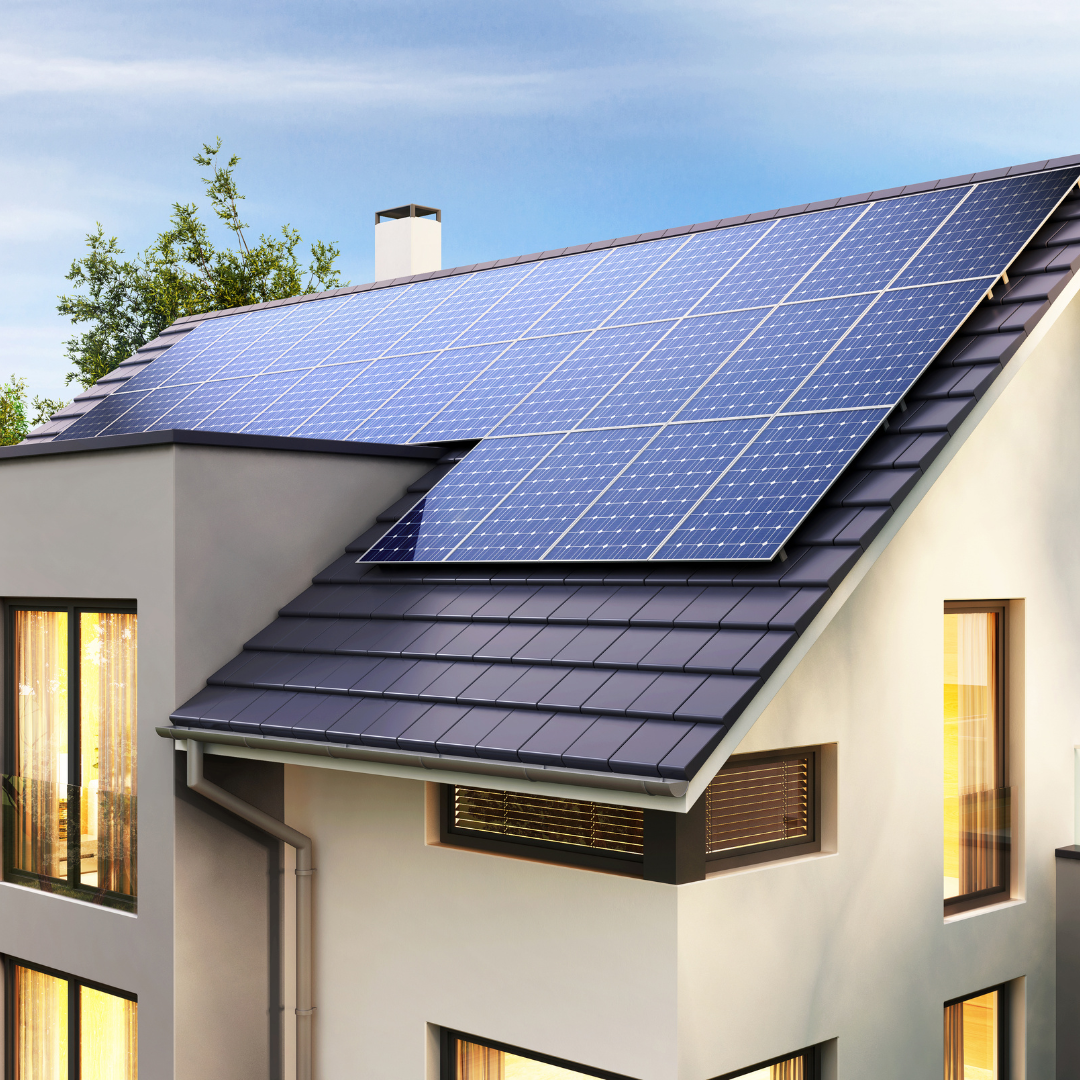
From Flat to Pitched: The Ultimate Guide to Choosing the Right Mounting Structure for Every Roof Type
Different roofs require different mounting structures to ensure safety, durability, and maximum energy output.
When installing solar panels, one of the most overlooked factors is the roof mounting structure. Many homeowners focus on panel efficiency and inverter quality — but the mounting system is just as important.
MAL Distributors specialises in supplying the best and most cost effictive mounting structures for all roofing.
Always use a qualified installer to come and assess the installation to ensure it is done safely and correctly and the right mounting structures are used.
What Is a Solar Mounting Structure?
A solar mounting structure is the framework that secures solar panels to your roof. It:
- Anchors panels safely
- Maintains proper tilt angle
- Withstands wind and weather
- Prevents roof damage
- Optimizes sunlight exposure
Without the correct mounting system, your solar installation can suffer from leaks, instability, or reduced efficiency.
Why Different Roofs Need Different Mounting Systems
Not all roofs are built the same. Materials, slope, weight capacity, and waterproofing methods vary significantly.
Installing the wrong mounting structure can lead to:
- Roof leaks
- Structural damage
- Voided warranties
- Reduced solar performance
- Safety hazards
Let’s break down how mounting systems differ by roof type.
1. Metal Roof Solar Mounting Systems
Metal roofs are among the most solar-friendly roof types.
Standing Seam Metal Roofs
These roofs allow for clamp-based mounting systems that attach without drilling into the roof surface.
Benefits:
- No roof penetration
- Reduced leak risk
- Faster installation
- Long lifespan
Corrugated Metal Roofs
These require:
- Bracket mounts
- Sealed fasteners
- Waterproof flashing
Proper sealing is critical to prevent water intrusion.
2. Tile Roof Solar Mounting Systems
Tile roofs (clay or concrete) are common in warmer climates. They are durable but fragile.
Solar mounting for tile roofs typically involves:
- Removing individual tiles
- Installing roof hooks
- Replacing tiles with proper spacing
Specialized mounting brackets are required to prevent cracking tiles during installation.
Improper mounting can cause:
- Tile breakage
- Water leaks
- Costly repairs
3. Asphalt Shingle Roof Mounting Systems
Asphalt shingles are common in residential homes.
These roofs use:
- Lag bolts
- Flashing systems
- Waterproof sealant
Mounting systems must be installed directly into rafters — not just the sheathing — for structural integrity.
Proper flashing ensures the roof remains watertight.
4. Flat Roof Solar Mounting Systems
Flat roofs require completely different mounting solutions compared to sloped roofs.
They typically use:
- Ballasted mounting systems (weighted, non-penetrating)
- Tilt racks for optimal angle
- Aerodynamic designs to resist wind
Because flat roofs don't have a natural tilt, mounting systems must create the correct angle for maximum energy production.
5. Slate Roof Solar Mounting Systems
Slate roofs are delicate and expensive. Installing solar panels here requires:
- Specialized flashing
- Custom brackets
- Experienced installers
Standard mounting systems can crack slate tiles easily. Extra care is required to maintain the roof’s integrity.
How Roof Angle Affects Mounting Structures
Roof pitch plays a major role in mounting system design.
- Steep roofs need reinforced anchoring
- Low-slope roofs may require tilt adjustments
- Flat roofs need engineered angle systems
The mounting structure ensures panels receive maximum sun exposure year-round.
Why Using the Wrong Mounting Structure Is Risky
Using a universal mounting system may seem cost-effective, but it can cause:
- Roof warranty voidance
- Structural instability
- Insurance claim denial
- Reduced system lifespan
A professional installer will evaluate:
- Roof material
- Age of roof
- Structural integrity
- Climate conditions
- Load capacity
Final Thoughts: Roof Type Determines Mounting Structure
When installing solar panels, the mounting structure is not one-size-fits-all.
Each roof type — metal, tile, asphalt shingle, slate, or flat — requires a specific system to ensure:
- Safety
- Waterproofing
- Durability
- Code compliance
- Maximum energy output
Before installing solar panels, contact MAL Distributors for the right mounting structures and components to suit your installation requirements. We supply a range of reliable mounting solutions to ensure you have the correct hardware for the job.